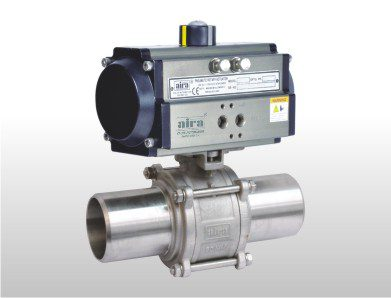
Ball valves are essential components in modern fluid handling systems, providing reliable on-off control for liquids, gases, and other compatible process media. Their quarter-turn operation, compact designs, and effective shutoff capabilities make them suitable for a wide range of industrial applications. From water treatment and manufacturing to chemical processing and utility pipelines, ball valves help manage fluid movement and support efficient system operation.
When evaluating a ball valve manufacturer, buyers should consider product quality, material compatibility, pressure ratings, operating conditions, and maintenance requirements. Selecting the right valve helps businesses improve operational reliability and avoid unnecessary downtime.
Understanding Ball Valves
A ball valve operates using a spherical closure element with a hole through its center. When the hole aligns with the pipeline, the valve allows fluid to pass through. Rotating the ball approximately 90 degrees moves the opening away from the flow path, closing the valve.
The main components include the valve body, ball, stem, seats, seals, and operating mechanism. The body provides structural strength, while the seats create a sealing interface around the ball. The stem transfers movement from the handle or actuator to the ball.
Different ball valve designs are available to accommodate variations in pressure, temperature, fluid properties, pipeline size, and installation requirements. Understanding these differences is the first step toward selecting a suitable product.

Why Ball Valve Selection Matters
Choosing the correct ball valve affects more than basic flow control. A valve must perform reliably under the conditions in which it operates. An unsuitable design or material can contribute to leakage, premature wear, difficult operation, and maintenance interruptions.
For example, a valve intended for a general water pipeline may not be suitable for a corrosive chemical application. Similarly, a system operating at elevated temperatures requires appropriate body, seat, and sealing materials.
Proper selection helps ensure compatibility with the process medium and reduces the likelihood of avoidable equipment problems. It also supports consistent performance throughout the valve's intended service life.
Common Types of Ball Valves
Ball valves are manufactured in different configurations to meet specific application needs.
Full-Port Ball Valves: These valves feature a bore close to the pipeline's internal diameter, helping minimize flow restriction.
Reduced-Port Ball Valves: These have a smaller flow passage and can be suitable where the resulting flow restriction is acceptable.
Flanged Ball Valves: These use bolted flange connections and are commonly found in industrial piping installations.
Threaded Ball Valves: These are often used in smaller pipelines where threaded connections meet the system requirements.
Three-Piece Ball Valves: Their construction can provide easier access for inspection and servicing, depending on the design.
Actuated Ball Valves: Pneumatic or electric actuators enable remote operation and integration with automated process systems.
Each configuration has its own advantages. The most appropriate choice depends on the pipeline design, operating conditions, available space, and maintenance strategy.
Ball Valve Applications Across Industries
Ball valves serve different purposes across industrial sectors. In water treatment and distribution, they help isolate pipeline sections and control the movement of water. Manufacturing facilities use them in utility systems, equipment connections, and production lines.
Chemical processing applications require careful material selection to ensure compatibility with the chemicals being handled. Oil and gas installations may require specialized designs that meet demanding pressure and service requirements. In food and beverage processing, suitable hygienic ball valves can support fluid handling when their construction and surface finish meet applicable sanitary standards.
Ball valves are also used in compressed air systems, heating and cooling installations, and various industrial utility networks. The correct design should always be chosen according to the specific requirements of the application.
Key Factors to Consider Before Purchasing
Before selecting a ball valve, buyers should evaluate the complete operating environment rather than focusing only on size or price.
Important factors include operating pressure, temperature range, fluid composition, flow requirements, connection type, and the frequency of operation. The materials used for the valve body, ball, seats, and seals must be appropriate for the process medium.
It is also important to determine whether the valve will be operated manually or automatically. Manual valves are suitable for many straightforward isolation tasks, while automated options can improve control in systems that require remote operation or frequent cycling.
Reviewing product specifications, dimensional drawings, applicable standards, and testing documentation helps buyers make informed comparisons.
Installation and Maintenance Considerations
Correct installation is essential for dependable valve operation. The pipeline should be properly aligned, and the valve should be installed according to the manufacturer's instructions. Excessive force, unsuitable sealing materials, or incorrect positioning can affect performance.
Routine maintenance should include checking for external leakage, corrosion, operating difficulties, and visible damage. Inspection intervals should reflect the operating environment and service requirements.
Before performing maintenance, the pipeline must be safely isolated and depressurized. Qualified personnel should follow the appropriate safety procedures, especially when handling hazardous or high-temperature media.
Conclusion
Selecting a ball valve for an industrial application requires careful consideration of design, materials, pressure ratings, operating conditions, and maintenance needs. Understanding the differences between available valve types helps businesses choose solutions that suit their pipeline systems.
By prioritizing technical compatibility, product quality, and correct installation, industrial facilities can support reliable flow control, reduce avoidable interruptions, and improve long-term equipment performance.