Tuesday, 24 October 2023

Exploring Materials and Design in Manual Ball Valve Manufacturing

 Manual ball valves are essential components in various industries, offering reliable control of fluid flow. The choice of materials for manufacturing these valves plays a crucial role in their performance and durability. In this comparative analysis, we delve into the different materials used in manual ball valve manufacturing, shedding light on their advantages and disadvantages.


Stainless Steel:


  • Excellent corrosion resistance

  • High strength and durability

  • Suitable for a wide range of applications


Brass:


  • Cost-effective option

  • Good corrosion resistance

  • Ideal for low-pressure applications


Bronze:


  • Exceptional resistance to seawater corrosion

  • Well-suited for marine and offshore industries

  • Moderate strength and durability


PVC (Polyvinyl Chloride):


  • Lightweight and economical

  • Ideal for applications involving non-corrosive fluids

  • Limited temperature and pressure capabilities


Carbon Steel:


  • High strength and durability

  • Suitable for high-temperature and high-pressure environments

  • Prone to corrosion without proper coating or treatment


The manual ball valve manufacturer must carefully consider these material options when designing valves to meet specific industry requirements. The choice of materials depends on factors like the fluid being controlled, operating conditions, and budget constraints. For a dependable manual ball valve manufacturer, contact us to discuss your unique needs and specifications.
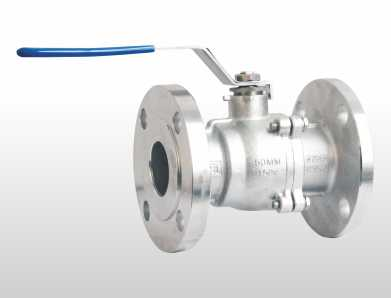

Design Considerations for Optimal Manual Ball Valve Functionality


Manual ball valves are essential components in various industrial applications, providing reliable control over fluid and gas flow. To ensure their optimal functionality, manual ball valve manufacturers must carefully consider key design aspects:


Material Selection:


  • Choose materials like stainless steel, brass, or PVC based on the application's compatibility.

  • Ensure resistance to corrosion, pressure, and temperature variations.


Ball Design:


  • Opt for a full-port or reduced-port design based on flow requirements.

  • Precision machining of the ball for smooth operation and minimal wear.


Sealing Mechanism:


  • Select appropriate sealing materials, such as PTFE, for reliable leak-tight seals.

  • Consider double-sealing systems for critical applications.


Actuation:


  • Ergonomic handles or levers for ease of operation.

  • Adequate torque for smooth turning, even under high-pressure conditions.


Port Configuration:


  • Choose between multi-port and 3-way designs for specialized flow control.

  • Ensure minimal pressure drop across the valve.


Installation:


  • Incorporate mounting options for flexibility in installation.

  • Integrate ISO mounting pads for easy automation adaptation.


For manual ball valve manufacturers, attention to these design considerations ensures that their products meet industry standards and perform optimally across various applications.


Customization and Tailoring Materials to Specific Industry Needs


In today's dynamic industrial landscape, the ability to customize and tailor materials to meet specific industry needs is paramount for success. Here, we explore the importance of this practice in enhancing the performance and efficiency of industrial components, such as manual ball valves.


Customization Benefits:


  • Optimized Performance: Tailoring materials ensures that components like manual ball valves are engineered to deliver optimum performance within a given industry's operating conditions.


  • Enhanced Durability: Materials can be chosen or modified to withstand the unique challenges and stresses faced in specific industrial environments.


  • Improved Cost-Efficiency: Customization can help reduce material wastage and unnecessary costs, as resources are allocated precisely to the requirements of the application.


  • Increased Reliability: Customized components are less prone to failure, increasing the reliability and safety of processes within the industry.


  • Regulatory Compliance: Industries often have distinct safety and compliance standards. Customization ensures that materials and components meet these requirements.


Manual Ball Valve Manufacturer:


When working with a manual ball valve manufacturer, collaborating to customize materials is crucial. This ensures that the valves are a perfect fit for the industry's demands, whether it's chemical processing, water management, or any other sector.


The ability to customize and tailor materials is a vital aspect of ensuring that industrial components, like manual ball valves, can operate efficiently, reliably, and safely within specific industry settings.

Wednesday, 18 October 2023

A Look at the Prominent Industrial Valve Manufacturing Clusters in India

Industrial valves are essential components in various manufacturing and processing industries, controlling the flow of liquids, gases, and other substances. They play a critical role in ensuring the safety, efficiency, and functionality of industrial processes. Here's a fundamental overview of industrial valves:

  • Purpose: Industrial valves are designed to regulate, start, or stop the flow of fluids within pipelines and systems.

  • Types: There's a wide range of industrial valves, including gate, globe, ball, butterfly, check, and safety valves, each suited to specific applications.

  • Operation: Valves operate through mechanisms such as handwheels, levers, actuators, or solenoids to control flow.

  • Materials: They are made from various materials like stainless steel, cast iron, brass, and plastics, chosen based on the fluid, pressure, and temperature requirements.

  • Applications: Industrial valves find use in industries like oil and gas, chemical, water treatment, and power generation.

  • Safety: Proper valve selection and maintenance are vital to ensure the safety of equipment, personnel, and the environment.


When seeking reliable industrial valves, it's important to consider trustworthy manufacturers. In India, the industrial valves market is dynamic and competitive, with numerous options available, making it essential to choose a manufacturer that meets your specific requirements. 

Gate Valves: Strengths and Applications in Indian Industries


Gate valves are fundamental components in the field of industrial fluid control. These valves are renowned for their robust design and excellent performance in various applications within Indian industries. Here's a closer look at the strengths and applications of gate valves, emphasizing their significance for industrial valves manufacturers in India:

Strengths of Gate Valves:


  • Reliability: Gate valves are known for their dependability, making them a preferred choice for critical applications.

  • Robust Construction: Their simple design with a gate-shaped disk ensures durability and long service life.

  • Excellent Flow Control: Gate valves offer full-bore flow, minimizing pressure drops and enhancing efficiency.

  • Low Maintenance: These valves have fewer parts that are subject to wear and tear, reducing maintenance needs.

  • Bi-Directional Sealing: They provide a tight seal in both directions, preventing leaks effectively.

Applications in Indian Industries:


  • Oil and Gas Sector: Gate valves are commonly used in the oil and gas industry for on/off and isolation purposes.

  • Power Generation: They find application in power plants for regulating steam and coolant flows.

  • Water Treatment: Gate valves are crucial in water treatment plants for controlling the flow of water and various chemicals.

  • Chemical Processing: These valves are essential in chemical plants for handling corrosive materials.

  • Manufacturing: Industries such as steel, cement, and textiles utilize gate valves for various processes.


Industrial valves manufacturers in India play a pivotal role in supplying high-quality gate valves to meet the diverse needs of these industries.

Ball Valves vs. Butterfly Valves: Choosing the Right Valve Type


When it comes to selecting the right valve for industrial applications, the choice between ball valves and butterfly valves is often a crucial decision. These two valve types serve different purposes and offer distinct advantages and disadvantages. Here's a brief comparison to help you make an informed decision:

Ball Valves:


  • Design: Ball valves have a spherical disc as the closing element.

  • Flow Control: They provide precise on/off control with minimal leakage.

  • Durability: Ball valves are known for their longevity and are less prone to wear.

  • Maintenance: Easy to maintain and repair.

Butterfly Valves:


  • Design: Butterfly valves have a rotating disc as the closing element.

  • Flow Control: Ideal for throttling or regulating flow with minimal pressure drop.

  • Cost-Efficiency: Generally more cost-effective than ball valves.

  • Space-Efficiency: Compact design makes them suitable for limited space installations.


When choosing between these two valve types, consider factors like the application, space constraints, cost, and flow control requirements. Industrial valves manufacturers in India offer a range of options for both ball and butterfly valves, allowing you to find the perfect solution for your specific needs.


Check Valves and Globe Valves: A Comparative Analysis


When it comes to industrial valves, the choice between check valves and globe valves is crucial for ensuring seamless fluid control and pipeline operation. Here, we present a comparative analysis to help you make an informed decision.

Check Valves:


  • Check valves are designed to allow flow in one direction and prevent backflow, making them ideal for applications where backflow is undesirable.

  • These valves are typically lightweight, compact, and require minimal maintenance.

  • They are excellent for preventing water hammering and maintaining system integrity.

  • Commonly used in industries such as wastewater management, HVAC systems, and petrochemical plants.

Globe Valves:


  • Globe valves offer precise control over flow and can regulate the volume with a fine degree of accuracy.

  • They allow flow in both directions and can be used to stop, start, or throttle fluid flow.

  • Globe valves are often bulkier, more complex, and require regular maintenance.

  • Widely used in applications like steam control systems, high-pressure steam pipelines, and where flow rate adjustments are critical.


For industrial valve manufacturers in India looking to optimize their fluid control systems, the choice between check valves and globe valves depends on the specific application requirements, maintenance capabilities, and the importance of flow control precision.


Make the right choice for your industrial valves by considering the specifics of your operation, and reach out to trusted industrial valves manufacturers in India for expert guidance.

Plug Valves and Diaphragm Valves: Features and Use Cases


When it comes to fluid control in various industrial processes, two types of valves that play a crucial role are plug valves and diaphragm valves. Each of these valves has distinct features and specific use cases, making them essential components in the arsenal of industrial valves manufacturers in India.

Plug Valves:


  • Quarter-Turn Valve: Plug valves are quarter-turn valves that use a cylindrical or tapered plug to control the flow of fluids.

  • Simple Design: Their design is straightforward, consisting of a hollow body and a plug that can be rotated to open or close the flow.

  • Low Maintenance: Plug valves are known for their low maintenance requirements, making them suitable for various applications.

  • Use Cases: They are commonly used in applications where a tight shut-off is required, such as in the chemical, petrochemical, and pharmaceutical industries.

Diaphragm Valves:


  • Flexible Diaphragm: Diaphragm valves use a flexible diaphragm to regulate the flow of fluids. When the diaphragm is lowered or raised, the flow is controlled.

  • Excellent for Corrosive Media: These valves are well-suited for handling corrosive or abrasive media, thanks to the diaphragm's isolation from the process fluid.

  • Use Cases: Diaphragm valves find application in industries such as water treatment, mining, and chemical processing.


For industrial valves manufacturers in India, understanding the features and use cases of plug valves and diaphragm valves is crucial in providing reliable and efficient solutions to a wide range of industrial clients.

Sunday, 15 October 2023

Sustainable Practices in the Indian Industrial Valves Manufacturing Sector

 In a world that's increasingly recognizing the importance of sustainable practices, the Indian Industrial Valves Manufacturing Sector is no exception. This sector plays a crucial role in various industries, including oil and gas, water treatment, and chemical processing. In this article, we'll delve into the sustainable practices adopted by this sector to reduce its environmental footprint while ensuring growth and efficiency.


The Growth of the Indian Industrial Valves Manufacturing Sector


The Indian Industrial Valves Manufacturing Sector has witnessed substantial growth in recent years. This is primarily attributed to the country's industrial expansion and the rising demand for valves in various sectors. With this growth comes a greater responsibility to address environmental concerns.


Sustainability in Manufacturing


Sustainability in manufacturing is all about meeting the present needs without compromising the ability of future generations to meet their needs. It involves making choices that reduce the impact on the environment, conserve resources, and minimize waste.


Sustainable Practices in the Indian Industrial Valves Manufacturing Sector


Efficient Resource Utilization


Efficient resource utilization is a cornerstone of sustainability. Indian valve manufacturers have adopted processes that optimize the use of raw materials, reducing waste and saving costs. This not only benefits the environment but also enhances the economic viability of the industry.


Adoption of Green Technologies


Incorporating green technologies like 3D printing, renewable energy sources, and advanced automation has become increasingly common in this sector. These technologies reduce energy consumption and emissions, making the manufacturing process more sustainable.


Waste Reduction and Recycling


Indian valve manufacturers have implemented waste reduction and recycling programs to minimize their environmental impact. By reusing materials and recycling, they reduce the burden on landfills and conserve valuable resources.


Energy Conservation and Eco-friendly Operations


Conserving energy and adopting eco-friendly operations is crucial. Many companies in this sector are investing in energy-efficient equipment, using alternative energy sources, and designing products that require less energy to operate.


Compliance with Environmental Regulations


To ensure sustainability, Indian valve manufacturers adhere to strict environmental regulations. This includes proper disposal of hazardous waste, emissions control, and compliance with government standards to protect the environment.


Training and Skill Development


Training and skill development programs are vital to ensure that employees understand and implement sustainable practices. Well-trained workers are more likely to be engaged in sustainable initiatives and contribute positively to the company's environmental goals.


The Role of Innovation


Innovation plays a pivotal role in sustainability. Companies are continuously researching and developing new materials, technologies, and manufacturing processes to reduce their environmental footprint.


The Circular Economy Approach


The adoption of a circular economy approach is gaining momentum in the Indian Industrial Valves Manufacturing Sector. This approach focuses on product longevity, repairability, and recycling, thereby reducing waste and promoting sustainability.


Challenges Faced by the Industry


Discuss the challenges and obstacles that the industry faces in implementing sustainable practices, such as the initial investment required for green technologies and the need for skilled labor.


Future Prospects


Explore the potential future developments and opportunities for further sustainability in the Indian Industrial Valves Manufacturing Sector.


Conclusion


The industrial valves manufacturers in India Sector are making commendable strides in adopting sustainable practices. By efficiently utilizing resources, embracing green technologies, and complying with environmental regulations, this sector is not only contributing to a healthier environment but also securing its own long-term viability. As the industry continues to innovate and grow, it sets a promising example for others to follow.

Thursday, 14 September 2023

Installing and Calibrating a Water Pressure Regulating Valve

Introduction

Maintaining proper water pressure is crucial for the efficient functioning of plumbing
systems in bothresidential and commercial spaces. Excessive pressure can lead to leaks,
burst pipes,and damage to appliances, while insufficient pressure may result in poor
water flow. To address these issues, installing a water pressure regulating valve (PRV) is essential. In this guide, we will walk you through the step-by-step process
of installing and calibrating a PRV, ensuring optimal water pressure for your space.

Gather the Necessary Tools and Materials

Prior to starting, make sure you have the following tools and materials readily available:

  • Water pressure regulating valve

  • Adjustable wrench

  • Teflon tape

  • Pipe cutter

  • Thread sealant

  • Pipe fittings (if needed)

Turn Off the Water Supply

Locate the main water shut-off valve and turn it off to ensure no water is flowing
through the pipesduring installation. This will prevent any unwanted leaks or pressure
changes during the process.

Choose an Installation Location

Select an appropriate location for installing the PRV. It should be positioned after
the main shut-off valve and before any branches to ensure it regulates pressure
throughout the entire system.

Remove Existing Pipe Section

Using a pipe cutter, carefully remove a section of the main water pipe. Ensure the
cuts are clean and straight to facilitate a secure fit for the PRV.

Apply Teflon Tape

Wrap the threads of the water pipes with Teflon tape to create a watertight seal.
This will help prevent any leaks once the PRV is in place.

Install the Water Pressure Regulating Valve

Attach the PRV to the cut section of the main water pipe using an adjustable wrench.
Ensure it is tightly secured to prevent any movement or leaks.

Connect the Outlet Pipe

Attach a new section of pipe to the outlet side of the PRV using thread sealant and
an adjustable wrench.This will carry regulated water to the rest of the plumbing system.

Adjust the PRV

Using a pressure gauge, measure the water pressure downstream from the PRV.
Adjust the PRV'ssettings to achieve the desired pressure level. Turning the adjustment
screw clockwise will increase pressure, while turning it counterclockwise will decrease it.

Test for Leaks

Turn on the main water supply and carefully inspect the PRV and surrounding
connections for any signs of leakage.

Fine-Tune the Pressure

Recheck the pressure using the gauge and make any necessary adjustments to achieve the optimal level.


About Aira Euro Automation

Aira Euro Automation is a leading provider of high-quality industrial valves and
automation solutions. With a commitment to excellence, we offer a wide range of products
designed to meet the diverse needs of our clients across various industries. Our team of
experts is dedicated to providing top-notch serviceand support, ensuring that your
systems operate at peak efficiency With a reputation for reliability and innovation, Aira Euro
Automation is your trusted partner in fluid control solutions.

Conclusion

Installing and calibrating a water pressure regulating valve is a crucial step in maintaining a healthy plumbing system. By following these steps, you can ensure that your water pressure remains at an optimal level, preventing potential damage and ensuring a smooth flow of water throughout your space.

Why Industrial Valve is Essential for Pipeline Safety and Performance

In any pipeline system, safety and performance depend heavily on how well the flow of fluids is controlled. Whether it is water, gas, oil, o...